Nine years of marriage and a bottle of port
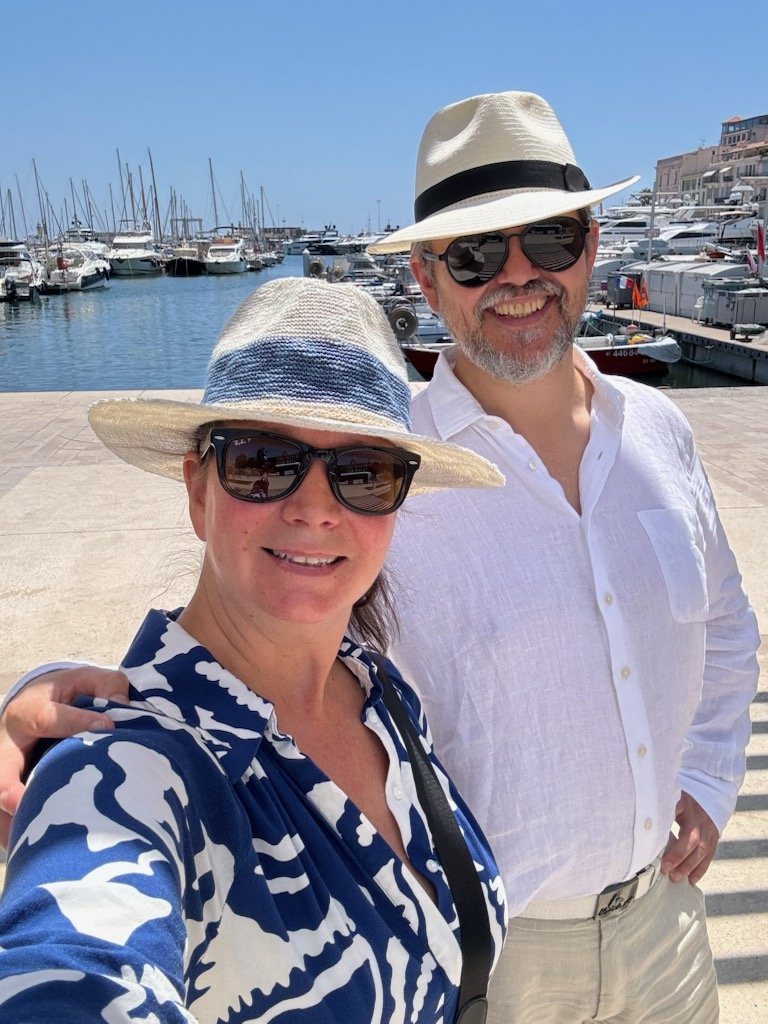
Nine years of marriage, we can hardly believe it!
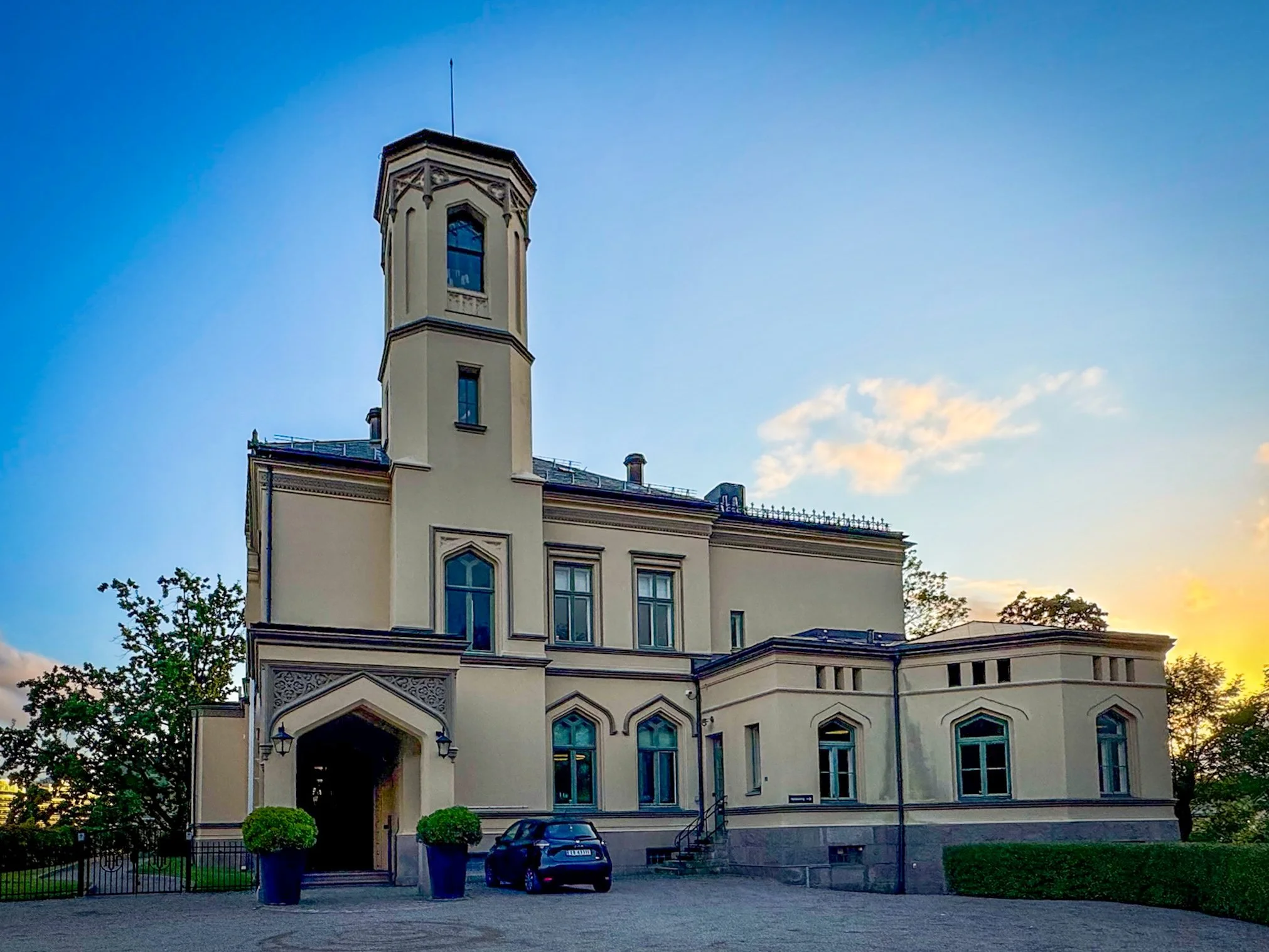
Nina had booked us a table at a special winemakers dinner. This anniversary was to be spent in the basement of Alex Sushi, learning far more about Portuguese wine than I expected to know.
Before we were shown to the dining room, we were welcomed with a drink — Graham’s No. 5, a mix of white Port, tonic, lemon, mint and ice. Fresh, elegant and just what we needed. The name comes from the five ingredients — but it also caused something of a stir, since five is the only number in the world that has been trademarked, by Chanel for their famous perfume. Chanel had apparently written Graham’s a very polite letter — almost flattering in tone — enquiring why they had chosen to use their patented number. Graham’s wrote back an equally polite letter asking if they might be allowed to keep it. The result was a rather charming agreement: Graham’s got to keep the name, and Chanel now serves Graham’s No. 5 as the welcome drink at their events worldwide. It was, we agreed, a very good deal for everyone involved.
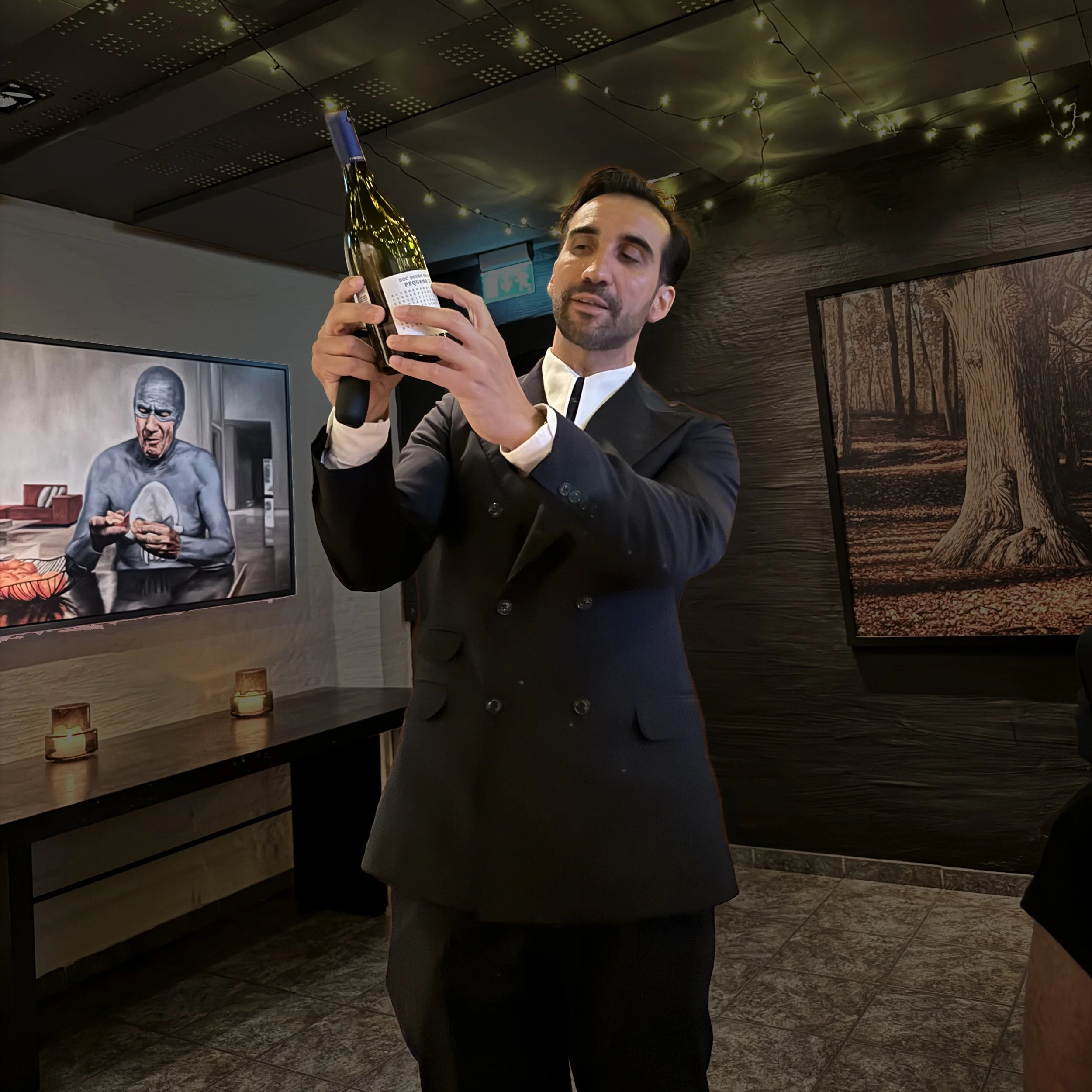
Our host for the evening, Gustavo Devesas
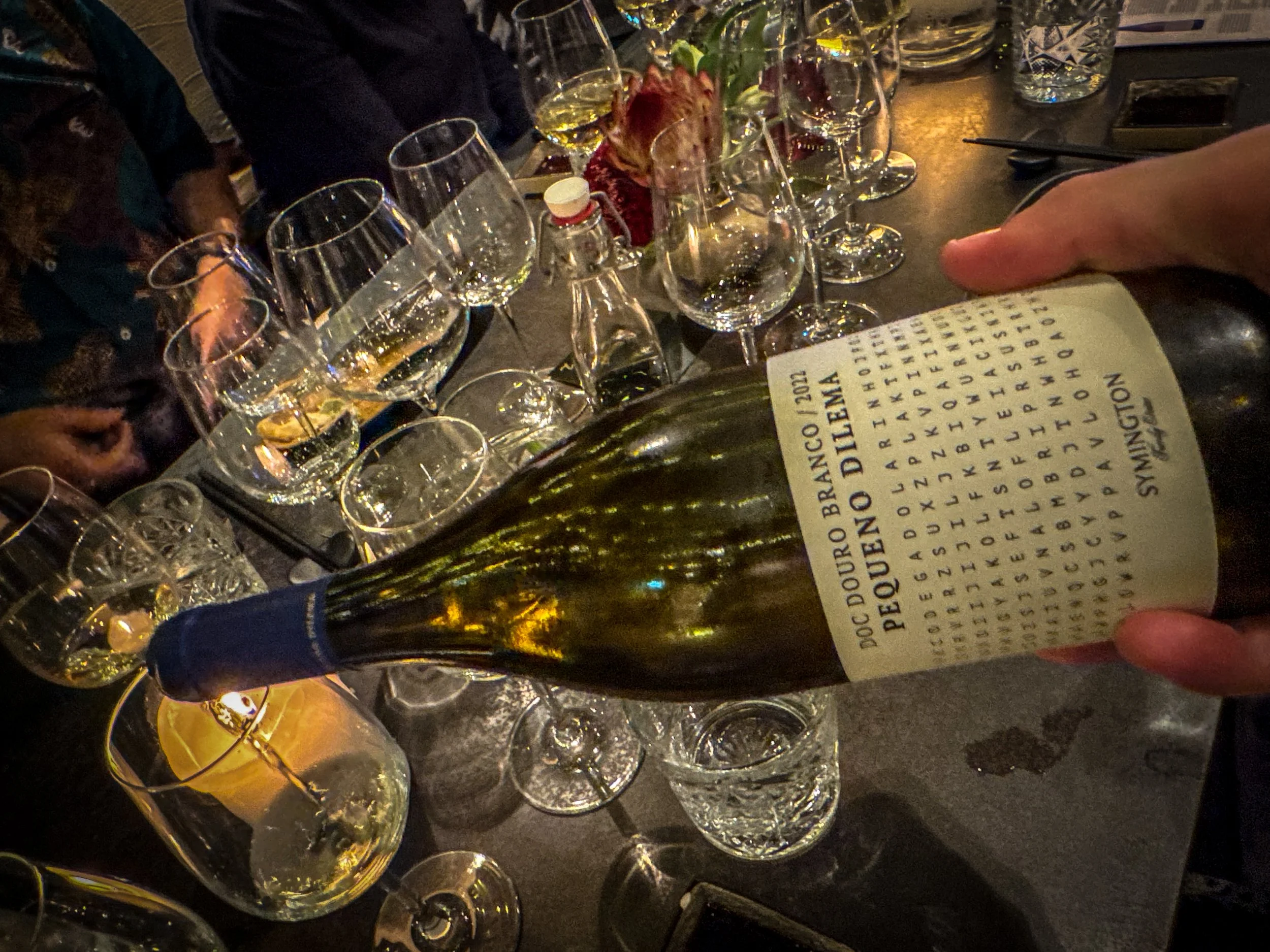
The format was a Winemaker Dinner — a set menu paired with wines, guided by Gustavo Devesas, Symington’s Senior Regional Manager for Northern Europe. Gustavo turned out to be as much a storyteller as a wine expert, which made for a very good evening.
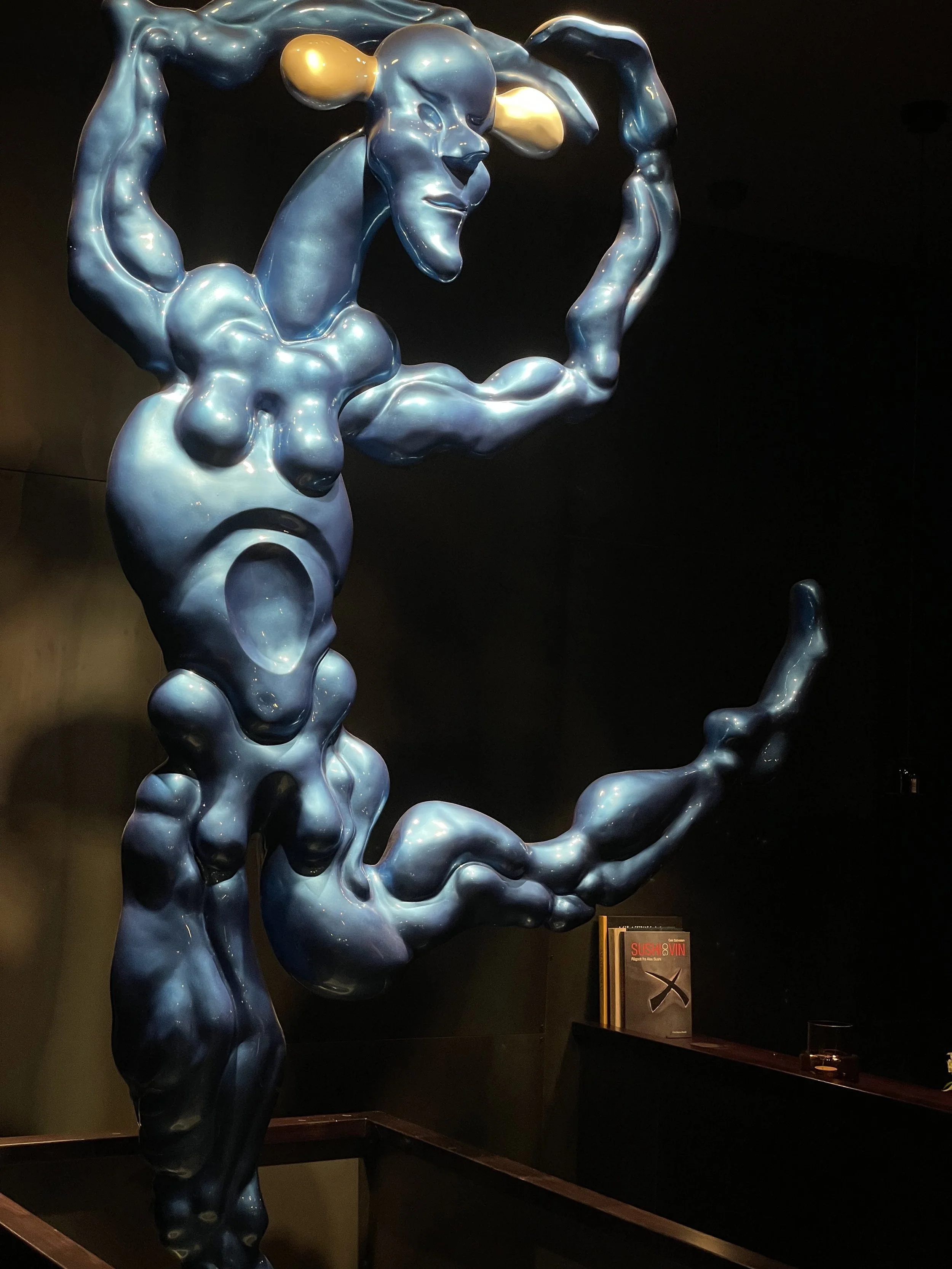
The basement space was moody and intimate, with low lighting and some rather striking artwork on the walls by Swedish artist Andreas Englund. His recurring superhero character (we believe it is sometimes with Englund’s own face) appeared in various dramatic scenes around the room. The painting directly opposite me showed a topless woman covering herself and pointing straight at me. She pointed at me all evening. I chose to take it as a compliment.
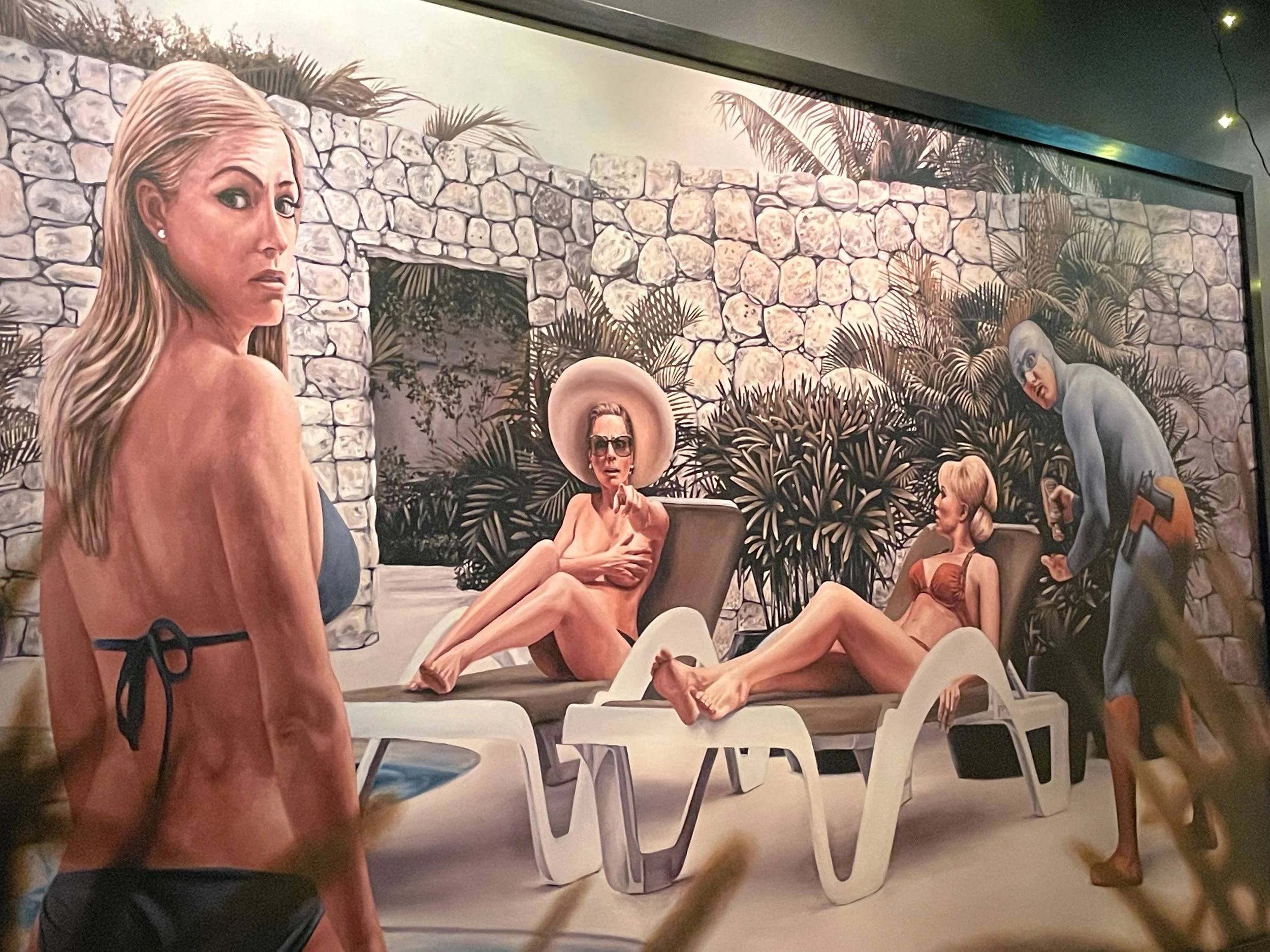
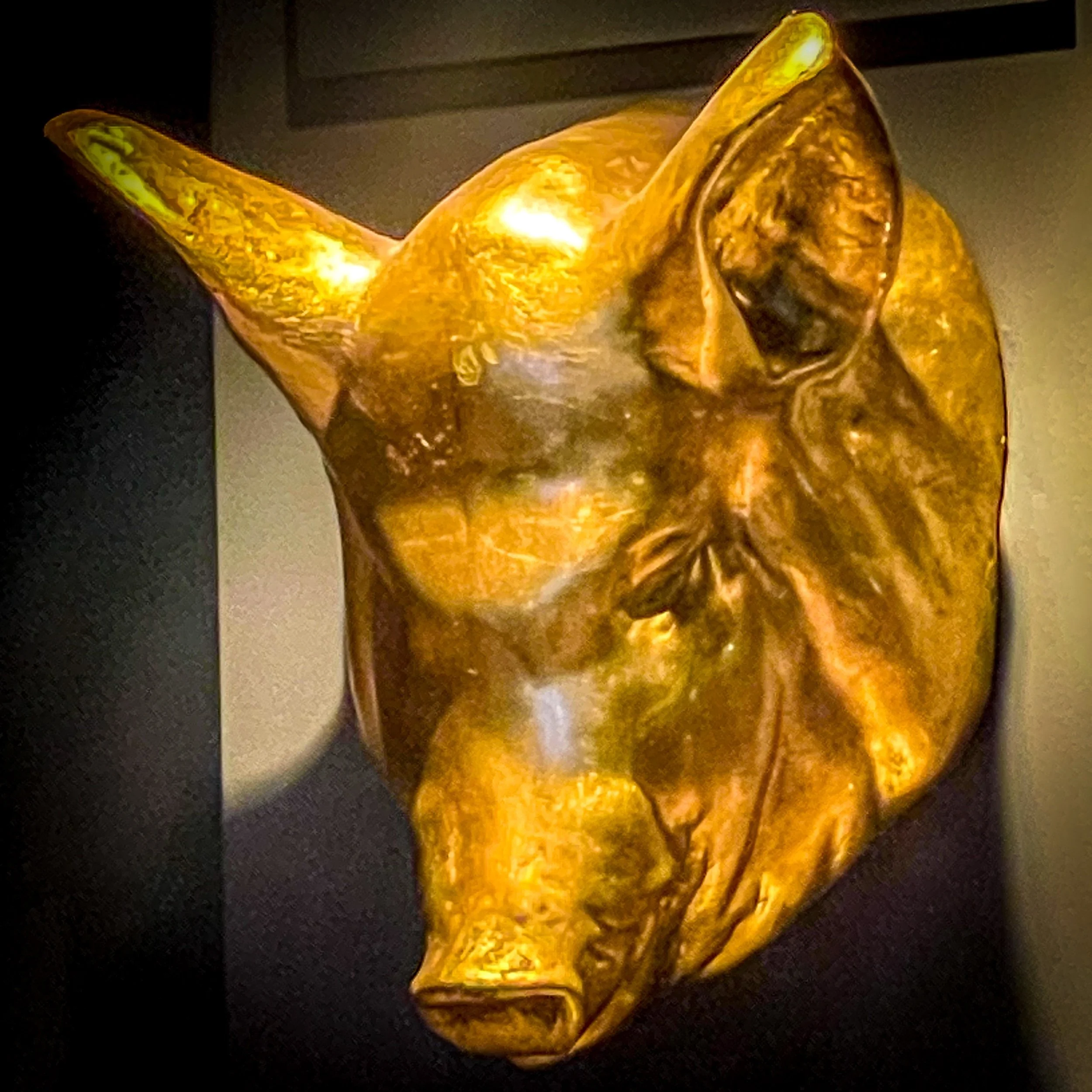
Paparazzi. A cool picture with the perfect title!
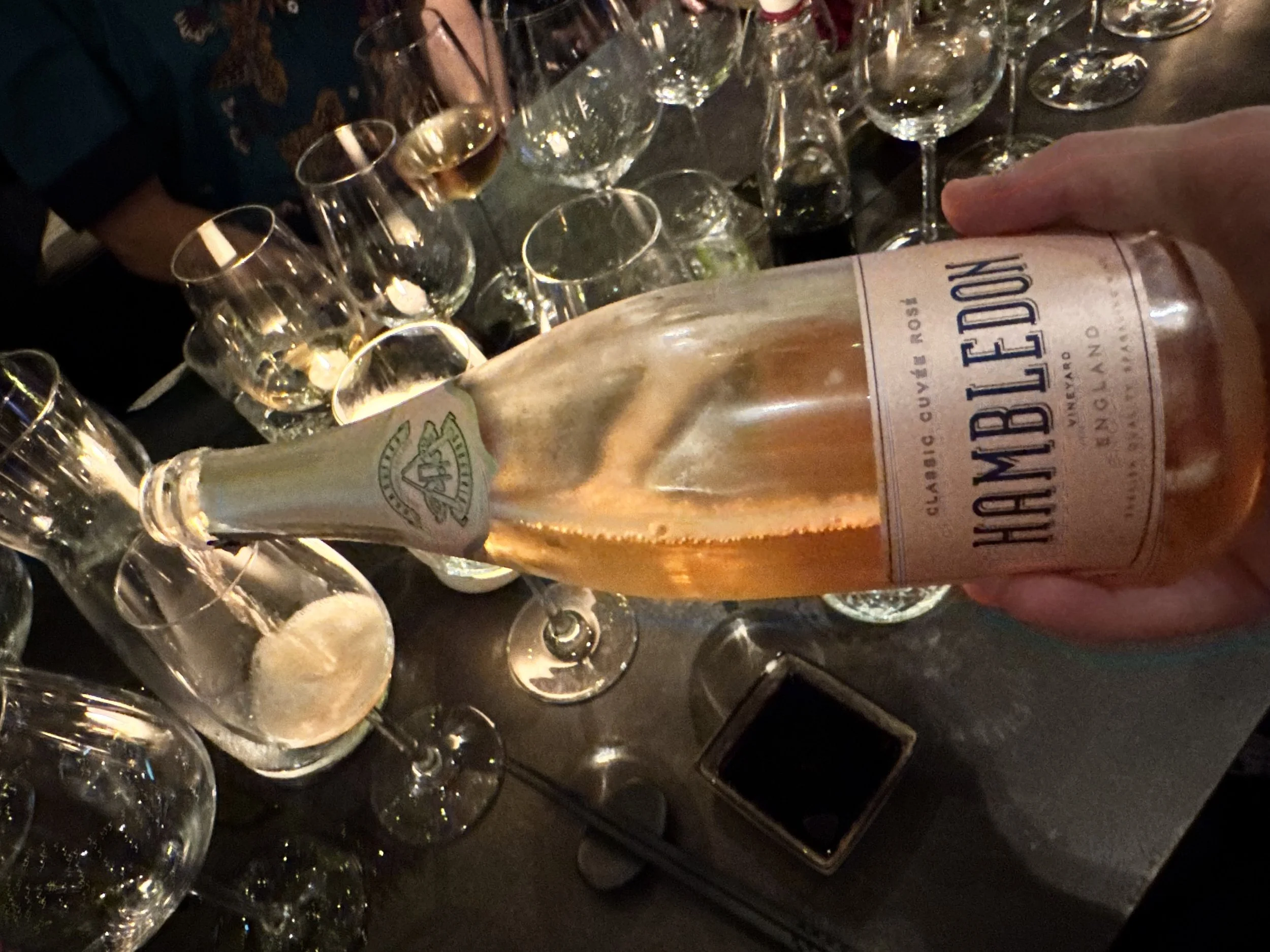
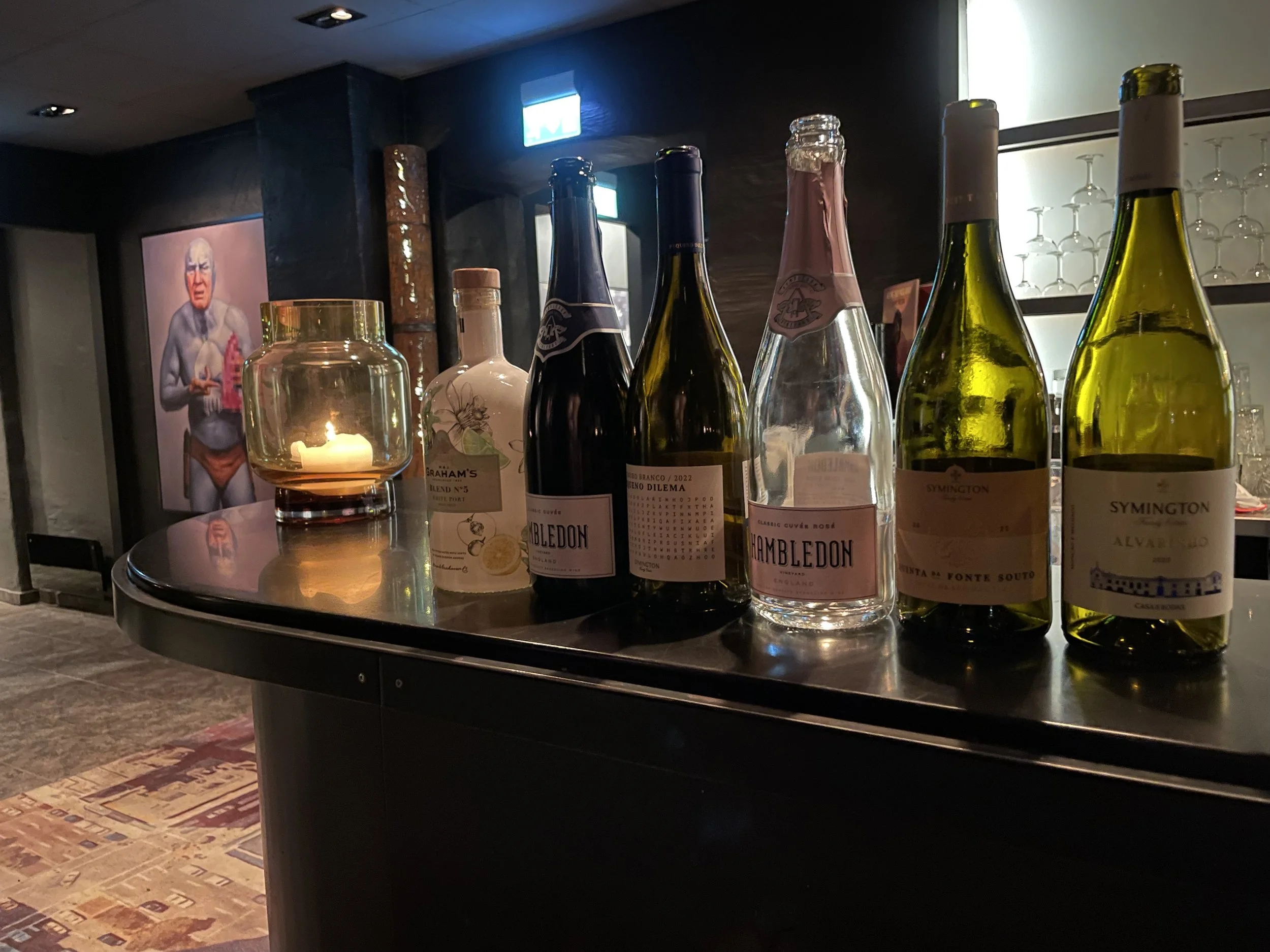
We started with Hambledon, an English sparkling wine from Hampshire. The connection to the evening was no coincidence: Symington are part owners of Hambledon, so it was very much a family affair from the first glass.
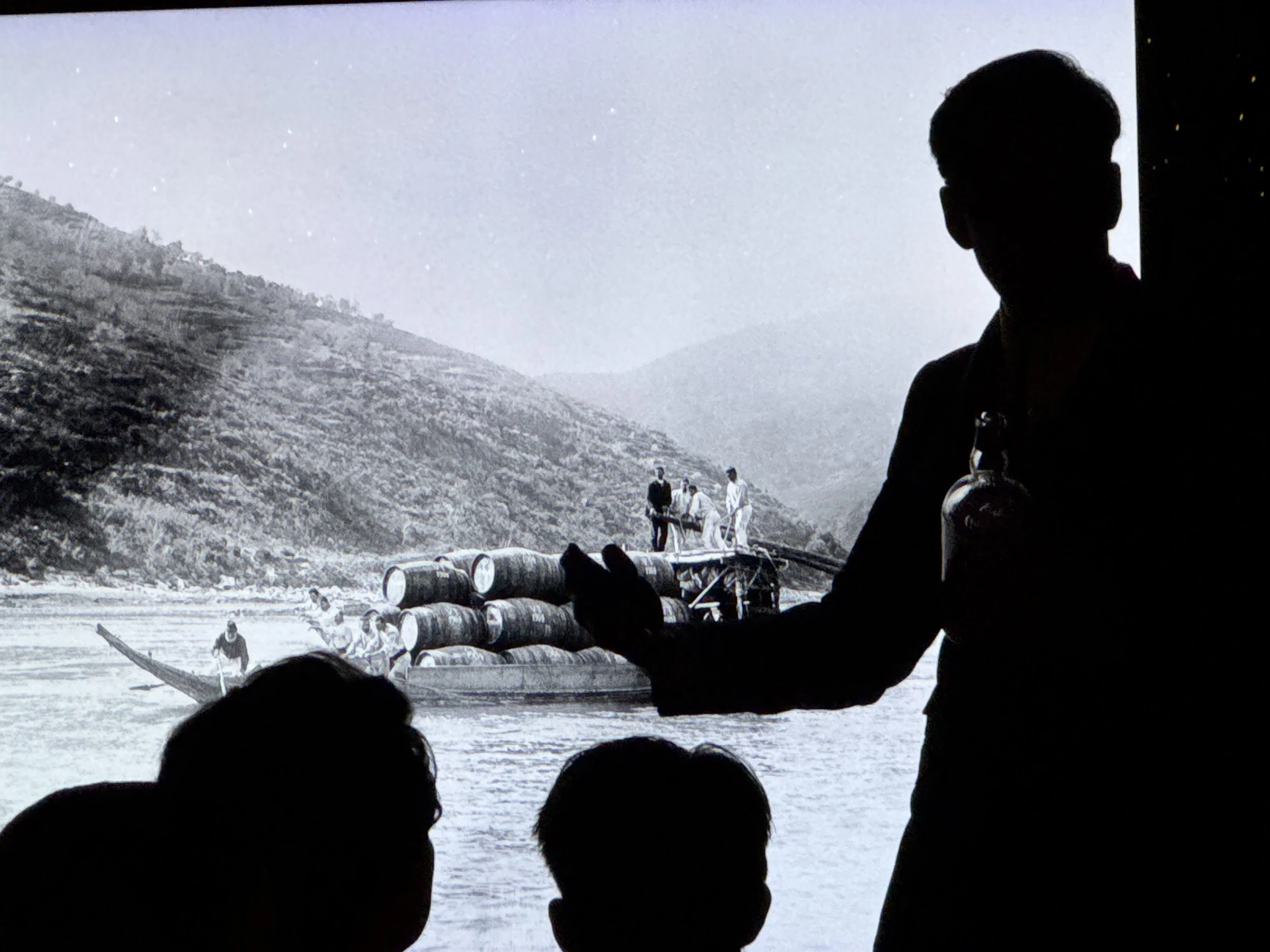
Gustavo then walked us through the Douro Valley, home of Port, via a large screen showing old black-and-white footage of barrels being floated down the river. But one of the themes of the evening was exploration beyond the Douro — and the next wine took us somewhere very different. Quinta da Fonte Souto from Portalegre in Alto Alentejo, close to the Spanish border, was Symington’s first major venture outside the Douro. The region offers altitude, cooler temperatures and plentiful water — and the resulting wine, produced from Arinto and Verdelho, is so rich and fresh that during blind tastings, Gustavo told us, guests routinely assume they are drinking white Burgundy. Only then does he reveal it’s from one of Portugal’s least explored regions.
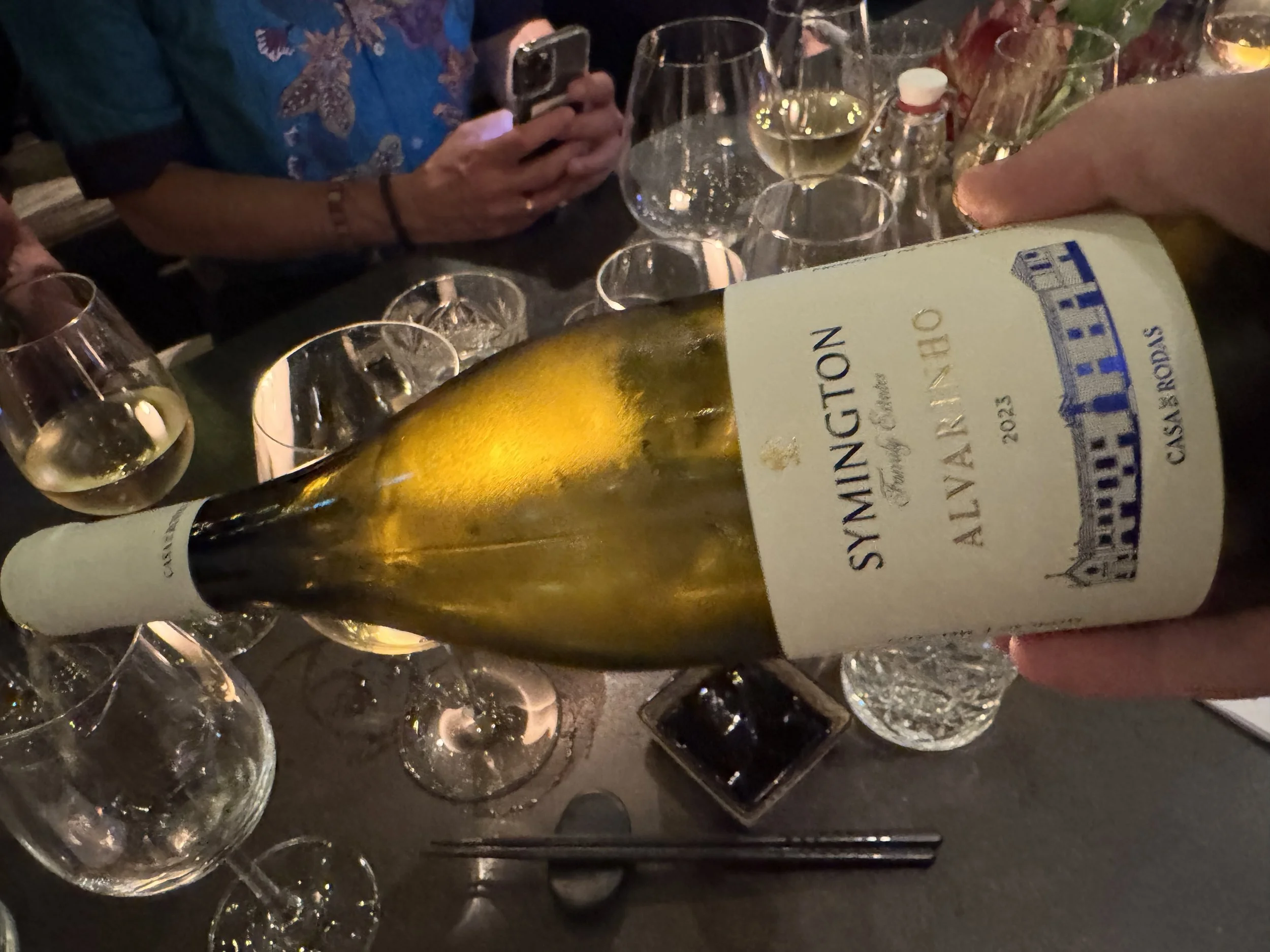
Then came the Alvarinho section, and this is where things got properly interesting. Alvarinho, he told us, is the queen of white grape varieties — grown in the Vinho Verde region in Portugal’s far north, with a very humid, maritime microclimate. The estate they work with, Casa de Rodas, has records going back to 1566. The previous owners left it largely untouched — and in the old aristocratic house, there was a guestbook. The last page had been signed by the Portuguese royal family.
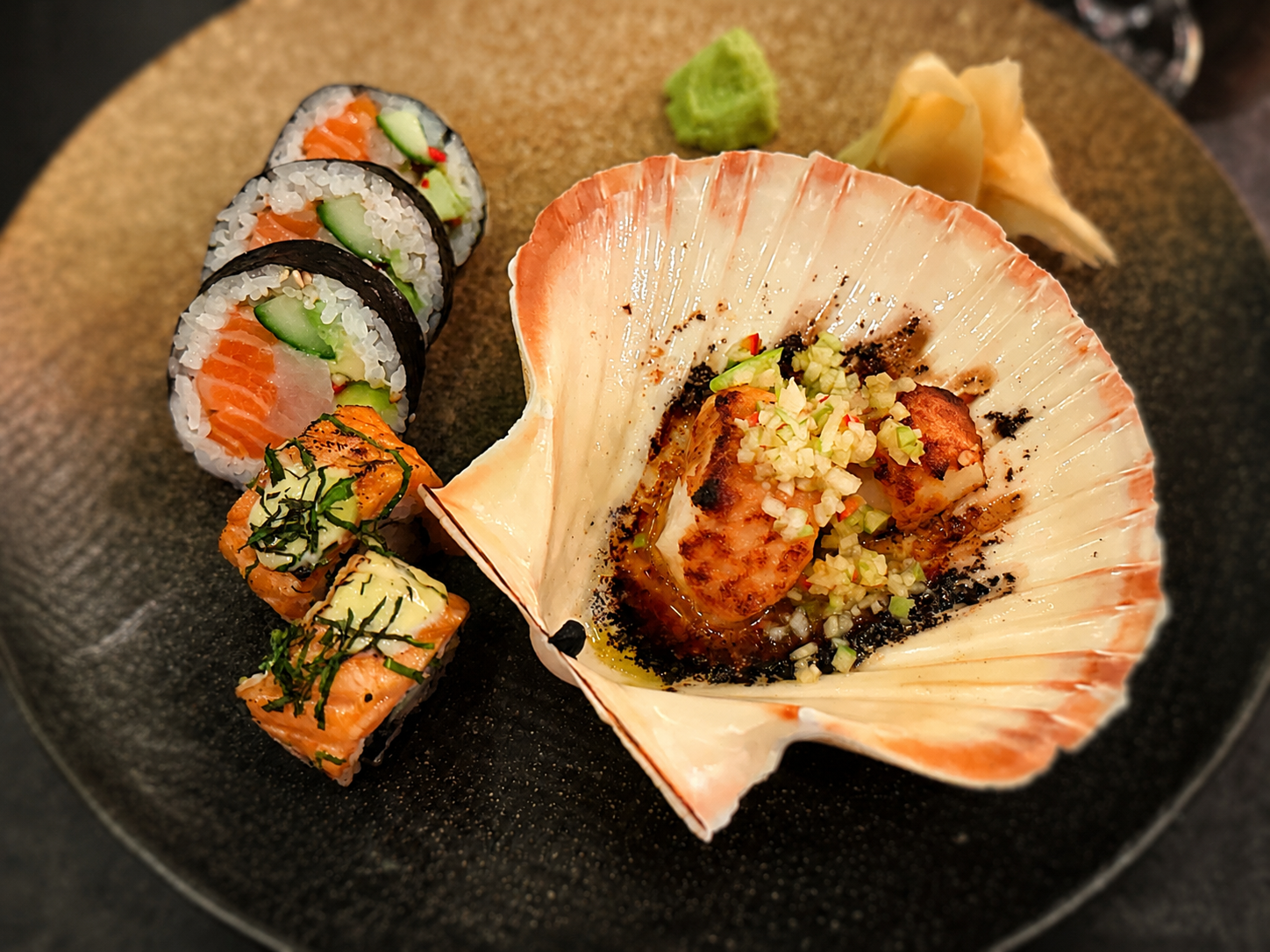
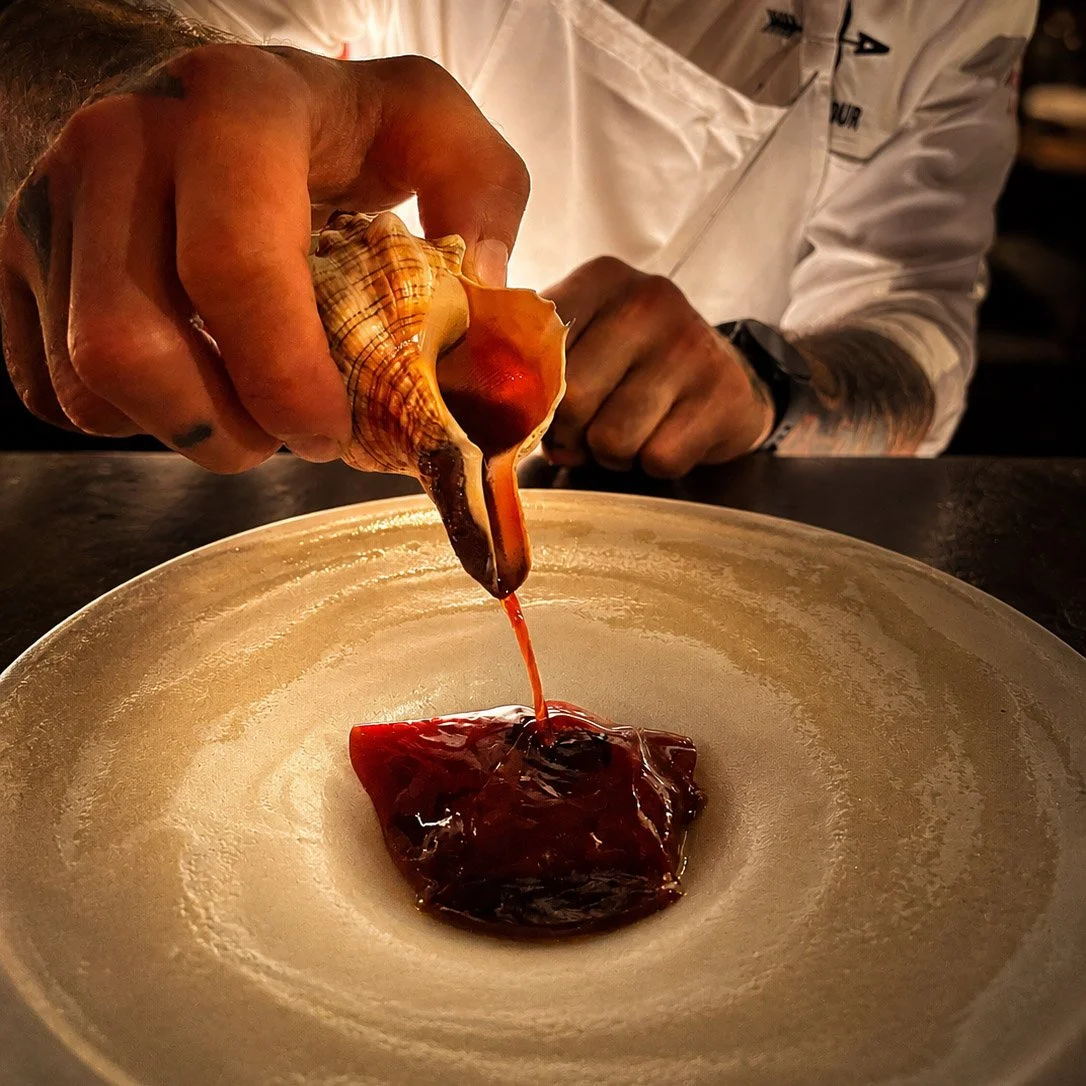
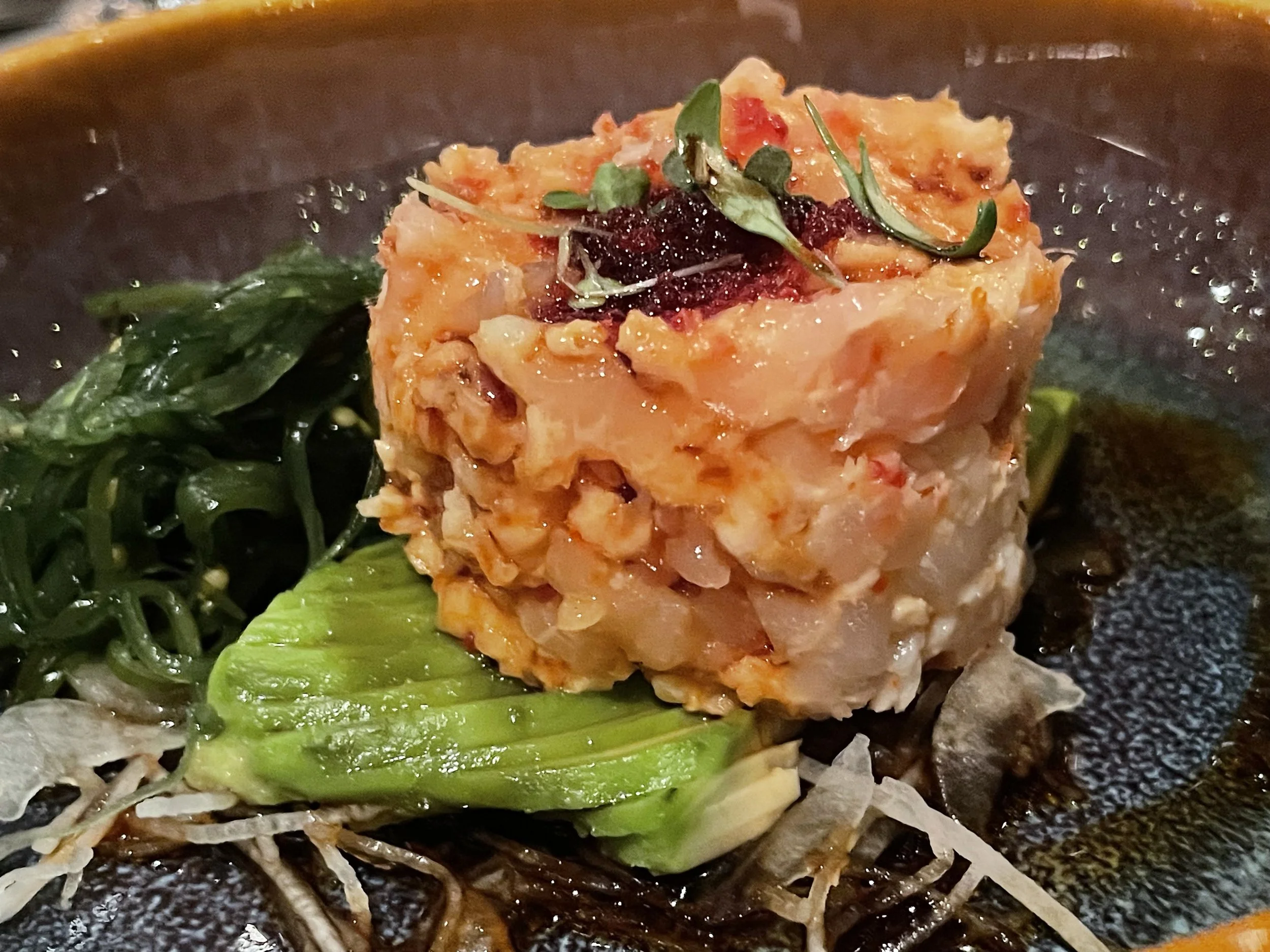
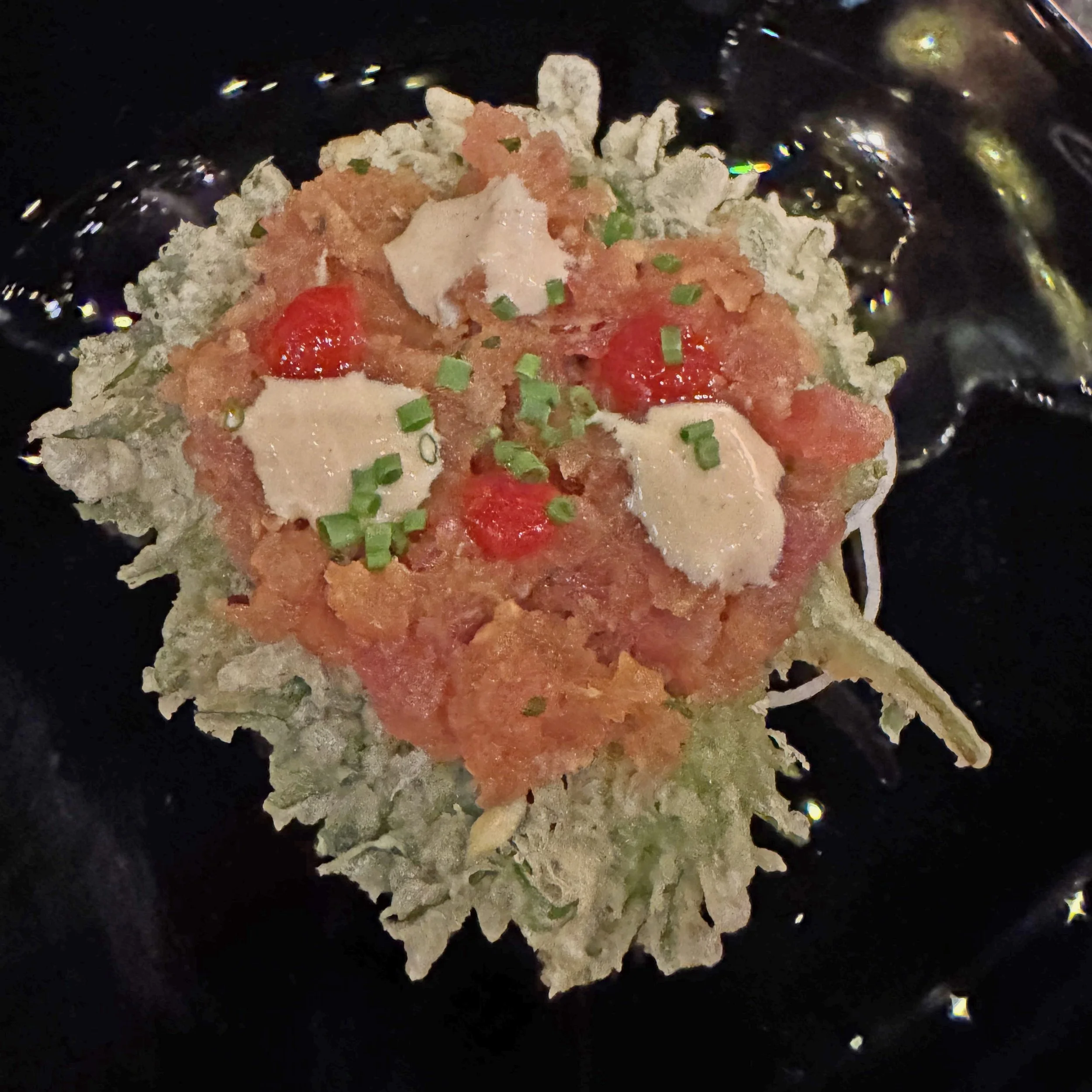
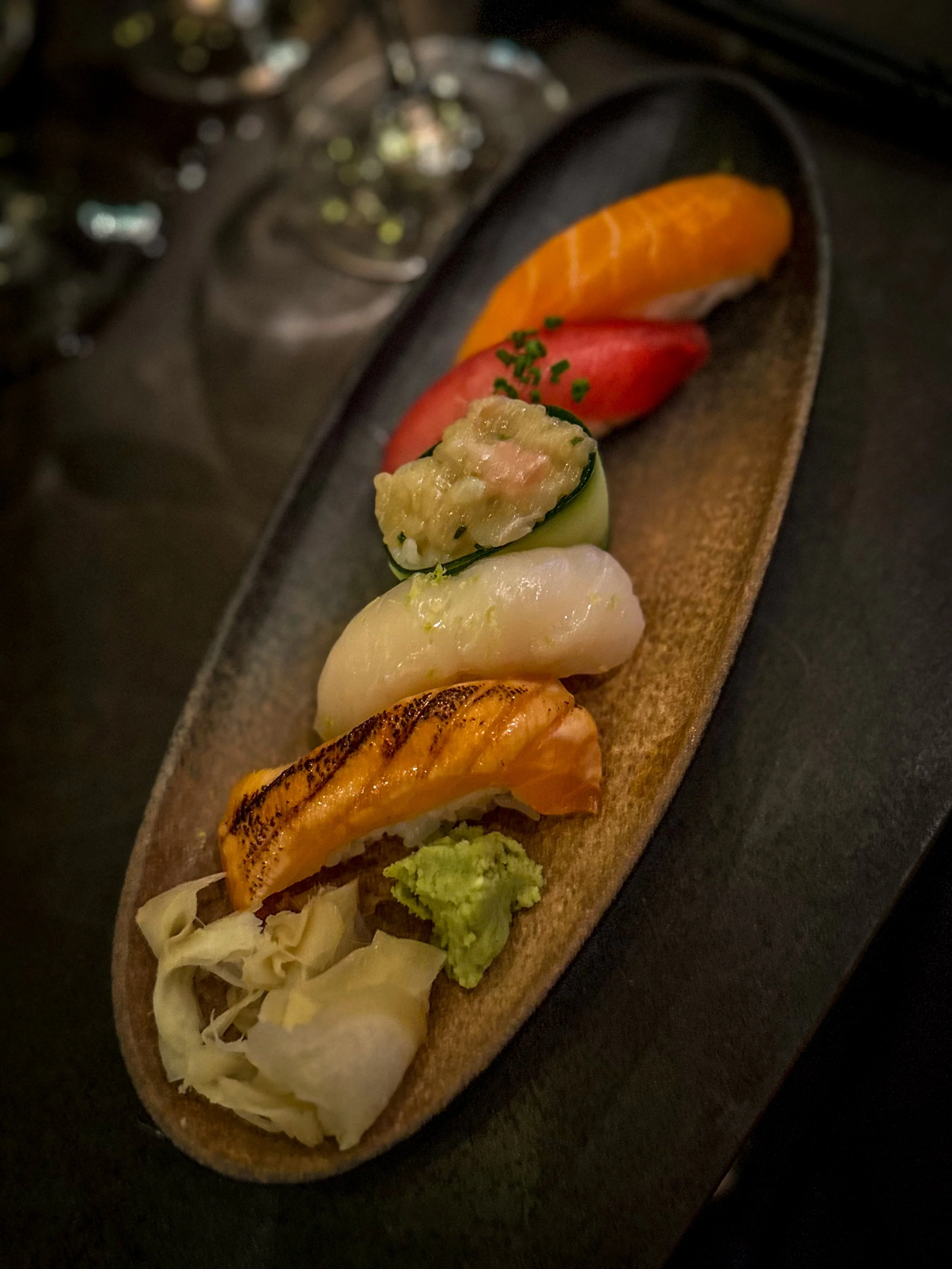
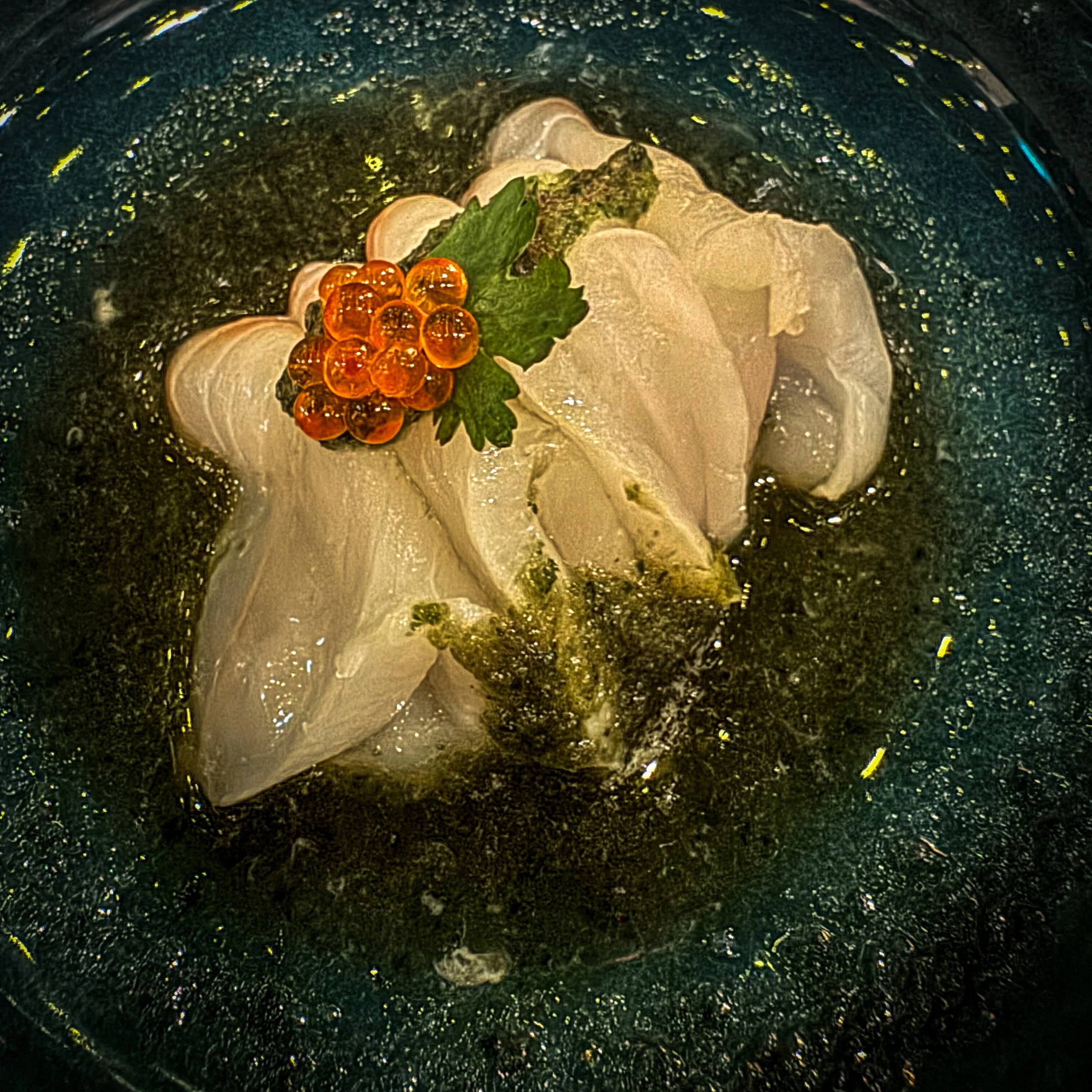
The food, meanwhile, was spectacular. Gratinated scallops with miso butter and apple salsa, maki rolls, a tuna tartare on a crispy base — and what turned out to be my favourite: a scallop, prawn and king crab tartare, moulded into a perfect cylinder and served on avocado with seaweed salad. It arrived looking too good to eat. We all ate it anyway.
Somewhere between courses, Gustavo told us about bacalao — salted and dried cod, which is one of Portugal’s most beloved dishes. Imported from Norway, it is the traditional meal on Christmas Eve and, as Gustavo put it, almost a religion. There are, apparently, as many recipes for bacalao as there are households in Portugal. The bacalao story inspired Thomas to order exactly that during a business trip to Bergen the next day. No blog entry about that, but let me give you a reccomendation for you next meal in Bergen: Enhjørningen (The Unicorn). Enough said.
We ended with Port. Graham’s 20-year Tawny. In the Douro, Gustavo explained, a 20-year Tawny is known as “the Port wine for watching the stars” — aged for decades in oak casks, developing layers of dried fruit, nuts, caramel and spice. Served chilled, which surprised several people at the table, including me. Jan Erik, a fellow guest (and history teacher) we’d been chatting to, held up his glass and declared: “konfekt på flaske.”
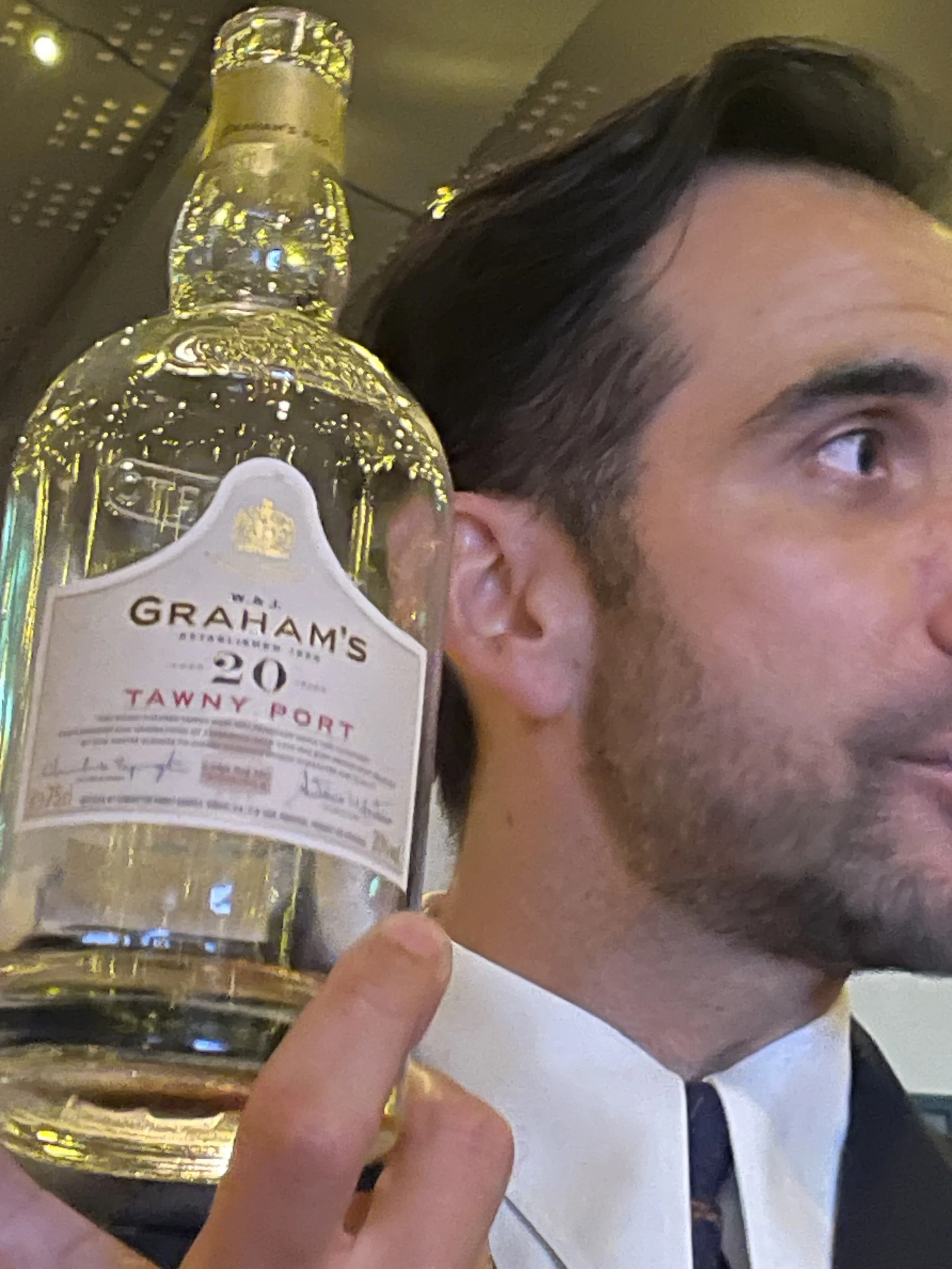
Yo ho ho and a bottle of port - aka “Konfekt på flaske” 😋
Gustavo also had a story about the origin of the word “tea” in English. Portuguese ships would label their cargo with the words Transporte Ervas Aromaticos. The first letter of each word written in enormous script while the rest of the word was too small to read from a distance. Sailors seeing the crates from afar read only: TEA. Almost certainly a tall tale, but told with such conviction over a glass of 20-year Tawny that nobody at the table questioned it.
Here´s to nine happy years!